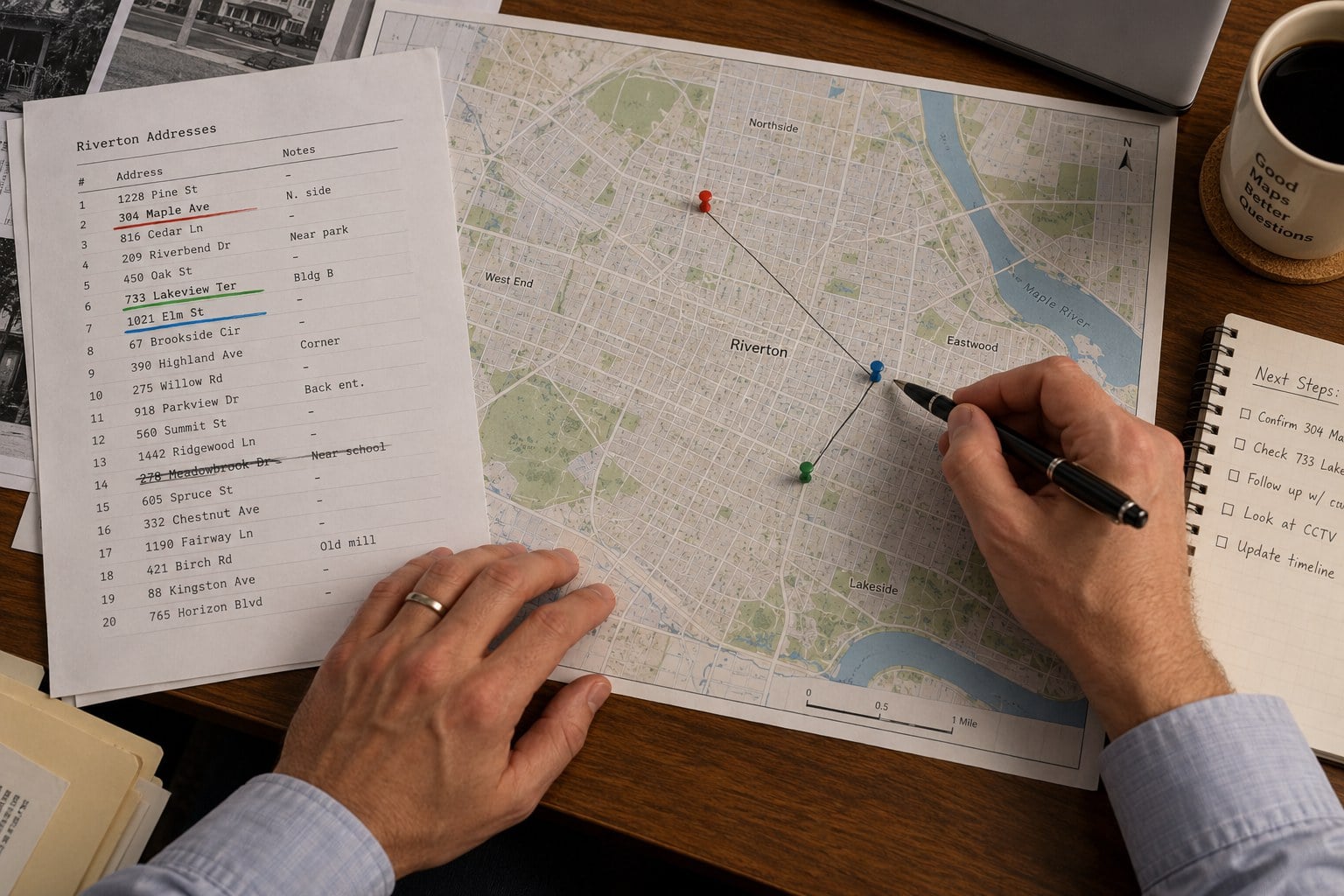

How to find someone off the grid starts with a change of approach. A person with no digital footprint still has a life offline.
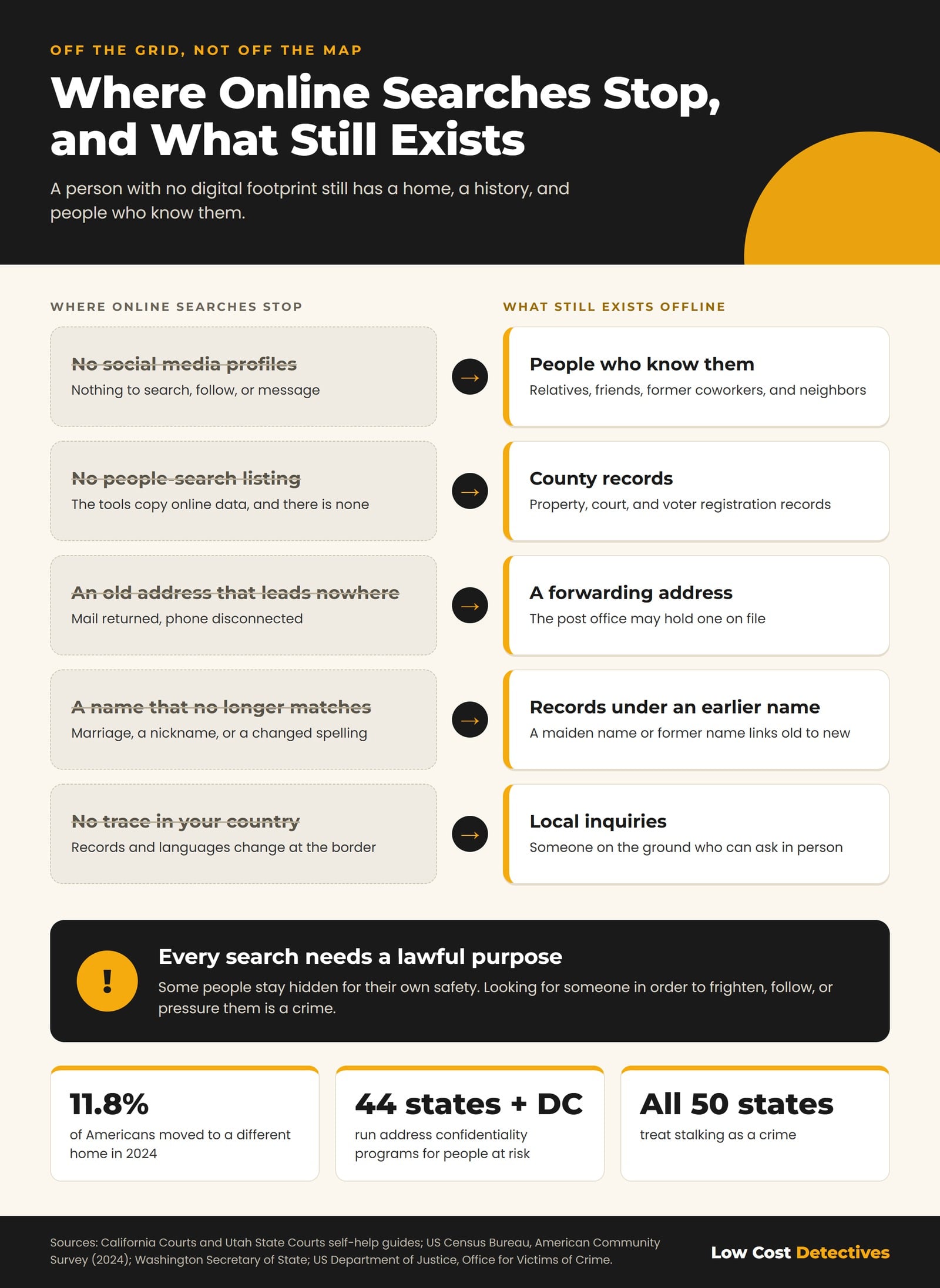
They have a home, people who know them, and records they cannot avoid. People also move more than you might think. The US Census Bureau found that 11.8 percent of Americans moved in 2024.
At Low Cost Detectives, we have traced people for over 30 years in 170+ countries. This guide explains what still works when online searches find nothing, and where the law draws the line.
Key Takeaways
- Off the grid usually means no social media and no searchable address. It rarely means no trace at all.
- Online tools fail because they copy online data. The offline trail still exists.
- Learning how to find someone off the grid means using public records, people who know them, and local inquiries.
- Every search needs a lawful purpose. Some people have a legal right to keep their address private.
What Does It Mean When Someone Is Off the Grid?
Off the grid means a person cannot be found through ordinary online searches. They may have no social media, no listed phone number, and no searchable address. It rarely means they have left no trace. Most people who seem to have vanished are simply living quietly.
People end up off the grid for very different reasons:
- By choice. Some people value privacy, or prefer a simple life far from town.
- By circumstance. Others have no fixed address, move often, or never had an online presence.
- To avoid something. A few are avoiding a debt, a court case, or a difficult past.
- For safety. Some are hiding from a person who harmed them. They have every right to stay hidden.
The reason matters. It decides whether your search is lawful, and how it should be handled.
Why Do Online Searches Fail When a Person Has No Digital Footprint?
Online searches fail because they can only find what is already online. People search tools gather data from websites, accounts, and commercial lists. A person with no accounts gives them nothing to gather. What they do return is often outdated.
This is the hard part of how to find someone with no digital footprint. The tools were never built for it. Several things break the trail:
- Name changes. Marriage, a nickname, or a new spelling can hide a person. Maiden names and aliases split one life across several records.
- Hidden addresses. A post office box or mail forwarding service shows where mail goes, not where someone lives.
- Frequent moves. Each move leaves an old address behind. A transient person may leave many.
- Borders. Records, languages, and privacy rules change from one country to the next.
None of this means the person is gone. It means the search has to move offline.
How to Find Someone Off the Grid: The Offline Trail That Still Exists
The offline trail is made of people, paper, and places. Almost everyone has relatives or friends who hear from them. Most people appear in public records at some point. Work through these steps in order, and keep notes as you go.
- Start with people. Ask family members, friends, and known associates. The California Courts guidance on finding someone suggests people they used to live or work with.
- Test the last known address. Mail a letter there marked “ADDRESS CORRECTION REQUESTED / DO NOT FORWARD.” If a forwarding address is on file, the post office returns it with a correction label.
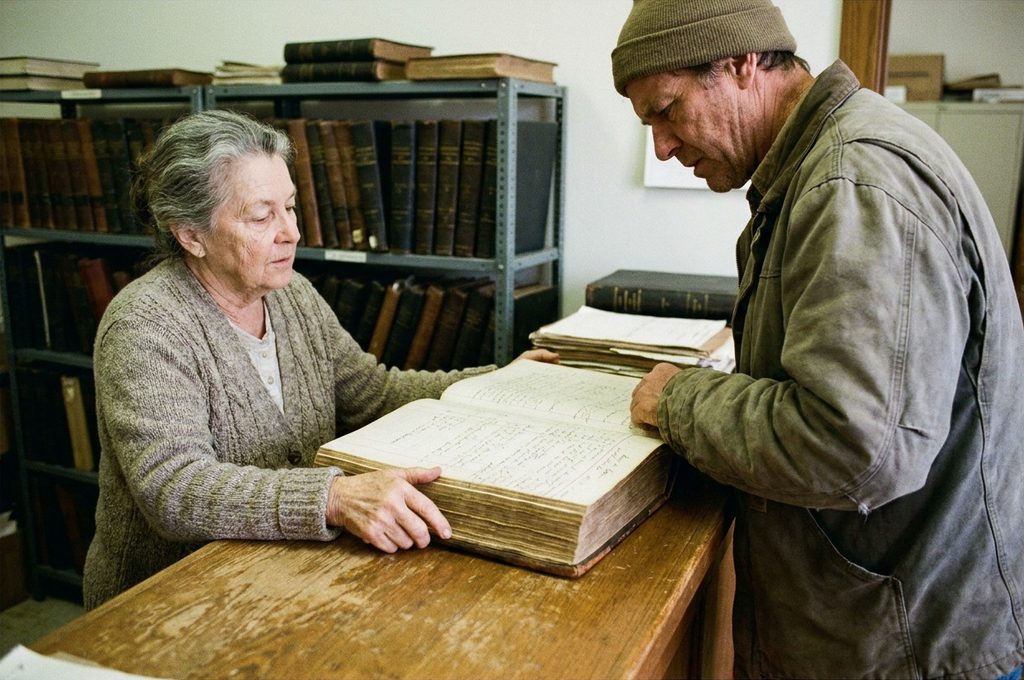
- Search county records. Property records list owners. Court records can hold an address from an earlier case. Voter registration shows the address a person gave when they registered.
- Follow life events. Marriage and death certificates are vital records. They can reveal a new name, or the next of kin.
- Keep a record. Write down each step and the date. If the matter reaches court, you will need it.
Courts take that last step seriously. The Utah Courts guidance on finding people puts it this way:
“Remember, you have to show the court you used reasonable diligence.”
Your own search has limits. You may not live near the person’s last address. You may not know who to ask, or how to ask without causing alarm. If your search has stalled, talk to our team in confidence.
What If They Do Not Want to Be Found? Legal Limits and Professional Help
An adult may choose to cut contact, and that choice is legal. Looking for them is also legal when your purpose is legitimate. What the law forbids is using the result to frighten, follow, or pressure someone. Never try to find someone who doesn’t want to be found for those reasons.
The Justice Department’s guidance on stalking is plain:
“Stalking is a crime in all 50 states, Washington, D.C., the U.S. Territories, and the Federal Government.”
The law also protects people at risk. Many states run address confidentiality programs for victims of abuse and stalking. Washington State reports that 44 states and the District of Columbia have one. The post office can also refuse to release an address to protect a person’s safety.
When a Search Is Legitimate
Most searches for someone off the grid have an ordinary, lawful purpose:
- Family reconnection. A relative or old friend has gone quiet. Our guide to finding an old friend after decades covers this.
- Debt recovery. A debtor has left without a new address. See our post on tracing a debtor who has moved.
- Legal proceedings. A defendant or witness must be located for service of process.
- Estates. An heir or next of kin has to be told.
How a Professional Trace Works
In business and legal work, this kind of search is called skip tracing. Our short guide explains what skip tracing involves. For a hard-to-find individual, the difference is local knowledge.
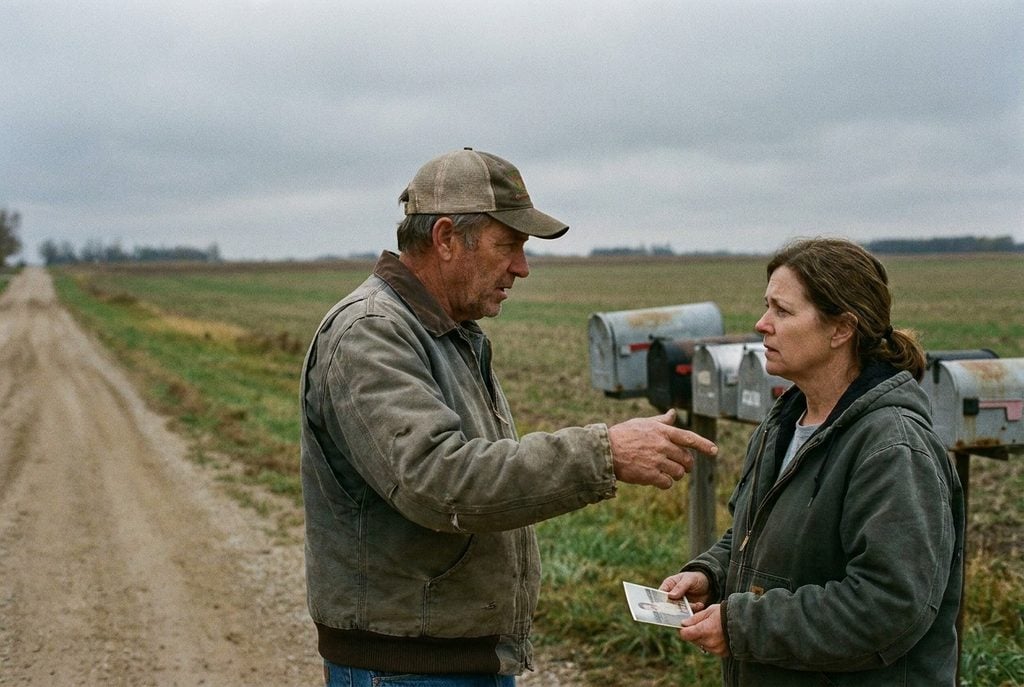
At Low Cost Detectives, our investigators use open-source research, databases, and field inquiries. We also have locally employed agents in the places we work. They can ask in person. That is how to locate a person off the grid when no database lists them.
We check the purpose of every case before we accept it. We decline any case that raises concern. Our service standard protects the person being traced:
“The subject is never alerted or approached unless the client specifically requests contact facilitation.”
If you want contact, we can make a discreet first approach. The person then decides whether to reply.
For personal searches, see our people tracing investigators. Creditors and law firms can use professional skip tracing support. Our global team handles tracing someone in another country.
When the Online Trail Ends, the Search Does Not
You now know how to find someone off the grid without relying on a screen. Start with the people who know them. Test the last known address. Search the county records. Keep a dated note of every step, and stay within the law.
If the trail still runs cold, Low Cost Detectives can help. We work in 170+ countries with a 95% global success rate. Speak to our case managers about your situation. Every inquiry is handled in confidence.
Frequently Asked Questions About Finding Someone Off the Grid
Can you find someone with no social media?
Yes, in most cases. Social media is only one kind of trace. A person without it still has relatives, a home, and a history in public records. Property, court, and voter records do not depend on an online presence. Local inquiries can fill the gaps that records leave.
What does off the grid mean?
In a search, it means a person cannot be found through ordinary online tools. They may have no social media, no listed phone, and no searchable address. Some people live this way by choice. Others have moved often, changed their name, or settled abroad. Very few have left no trace at all.
Is it legal to find someone who doesn’t want to be found?
It can be, when the purpose is lawful. Serving court papers, recovering a debt, and settling an estate are legitimate reasons. Using an address to harass, follow, or threaten someone is a crime. Some people are also protected by confidentiality programs, and their address is kept private by law.
How do investigators find someone off the grid?
Investigators working out how to find someone off the grid combine records with people. They search public records and cross-reference old names and addresses. Then they make discreet local inquiries with people who may know the person. The aim is a confirmed current address, supported by more than one source.
Can a person disappear completely?
It is very hard to do. Most people still need housing, work, health care, and contact with someone they trust. Each of those leaves a trace somewhere. A person can avoid the internet for years. Avoiding every record and every neighbor for that long is far less common.
Will the person know you are looking for them?
Not if the search is handled properly. Public records can be checked without alerting anyone. At Low Cost Detectives, we do not contact the person during a trace. We approach them only if you ask us to arrange contact. They then choose whether to reply.
How long does it take to find someone off the grid?
It depends on the case. A recent address and a full name make the work quicker. A search across borders, or for someone who has moved many times, takes longer. Your case manager will give you an honest view of timing before any work begins.