Interstate private investigator laws decide who may keep a tail going once a subject crosses a state line. There is no national license for investigators. Each state sets its own rules on licensing, recording and tracking.
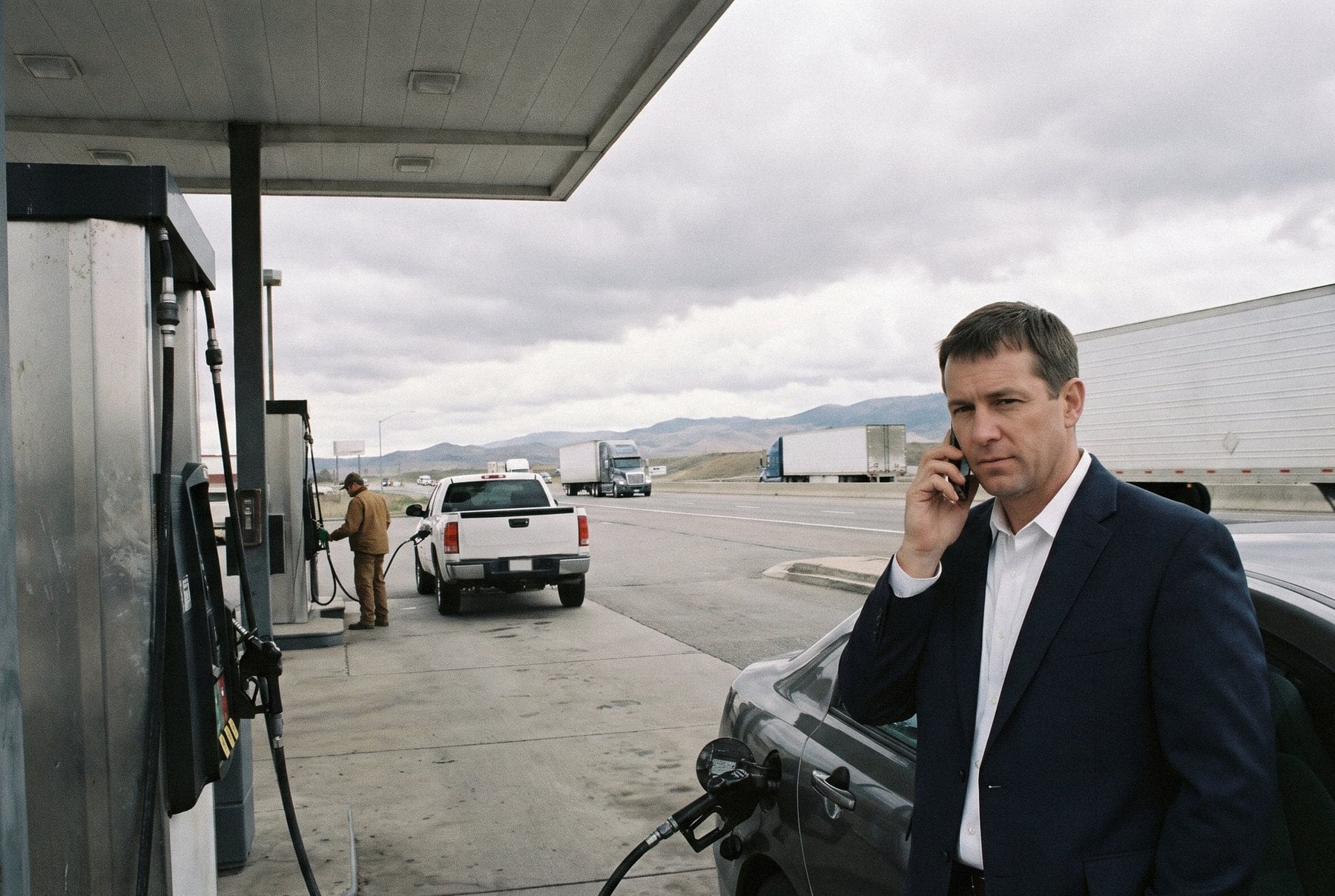
A spouse on a “work trip” may cross three states in a day. So may a claimant visiting family, or a debtor moving house. The case does not stop at the border.
This guide explains what changes at each line and how a tail stays continuous. It also covers tracing assets and fraud beyond the US. At Low Cost Detectives, we plan multi-state tails before the subject turns the key.
Key Takeaways
- No national license: most states license investigators, and each sets its own rules.
- Reciprocity is narrow: North Carolina allows 30 days per case under its agreements, 15 for Tennessee.
- Recording rules change: federal law needs one party’s consent; California and Florida need everyone’s.
- Trackers are a trap: fitting one to another person’s car is a crime in California and Texas.
- The tail keeps going: the same team continues where licensed; otherwise a local team takes over.
Interstate Private Investigator Laws: Why Every State Line Matters
Most states require private investigators to be licensed, according to the Bureau of Labor Statistics. However, a license from one state does not cover the next. So interstate private investigator laws are really a patchwork of state rules, with federal law on top.
Reciprocity: The Narrow Exception
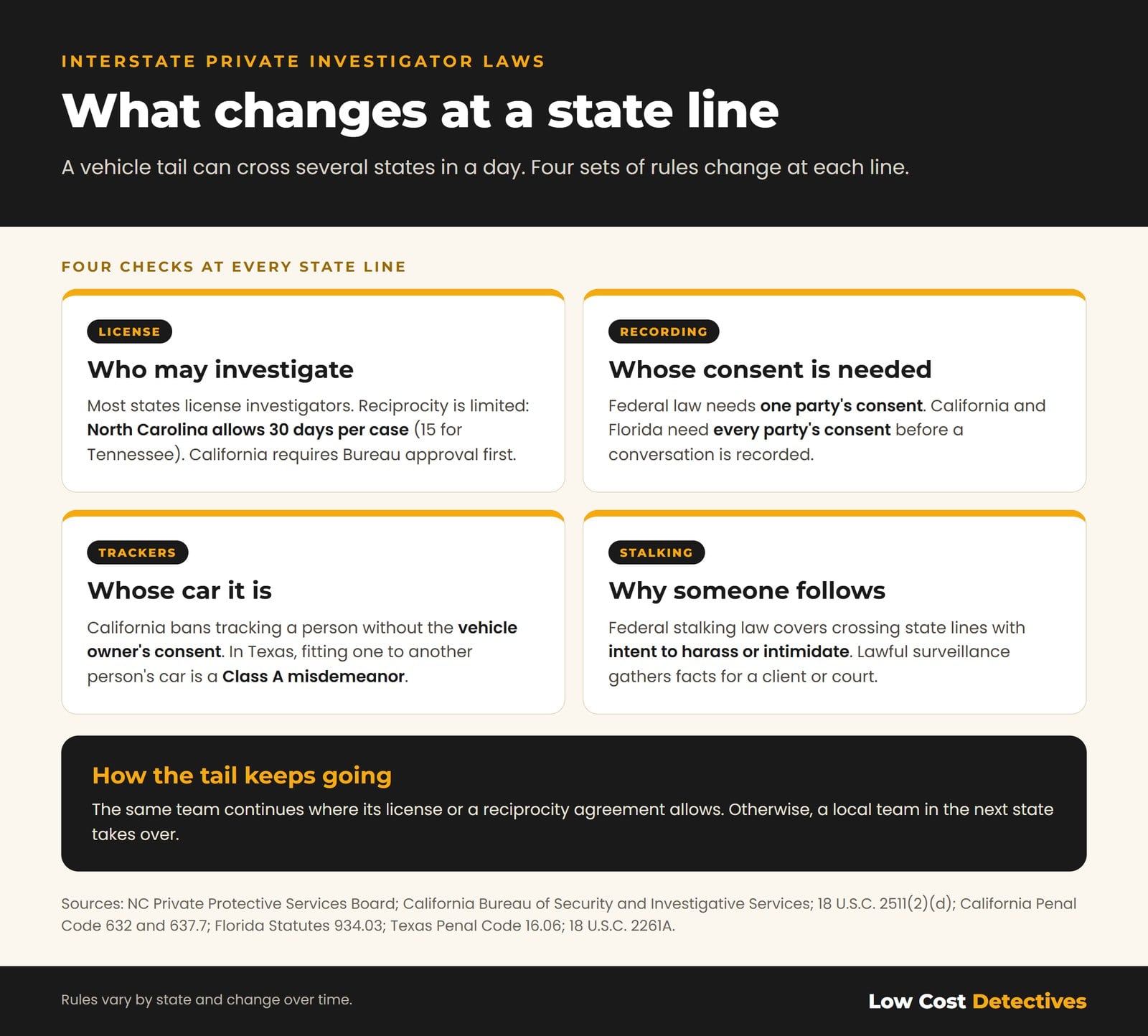
Reciprocity is the narrow exception in interstate private investigator laws. Under North Carolina’s reciprocity terms, the case must start in the investigator’s home state. The agreements limit the work to 30 days per case, or 15 days for Tennessee. Out-of-state investigators may not solicit business or open an office. Longer jobs must go to an investigator licensed in North Carolina.
California, by contrast, goes further. Its licensing board, the Bureau of Security and Investigative Services, has limited reciprocity with only five states. Even then, an out-of-state investigator must notify the Bureau and wait for approval. Working without it can bring “disciplinary action taken against your license in your home state.”
Keeping the Tail Continuous: Licenses, Reciprocity and Local Teams
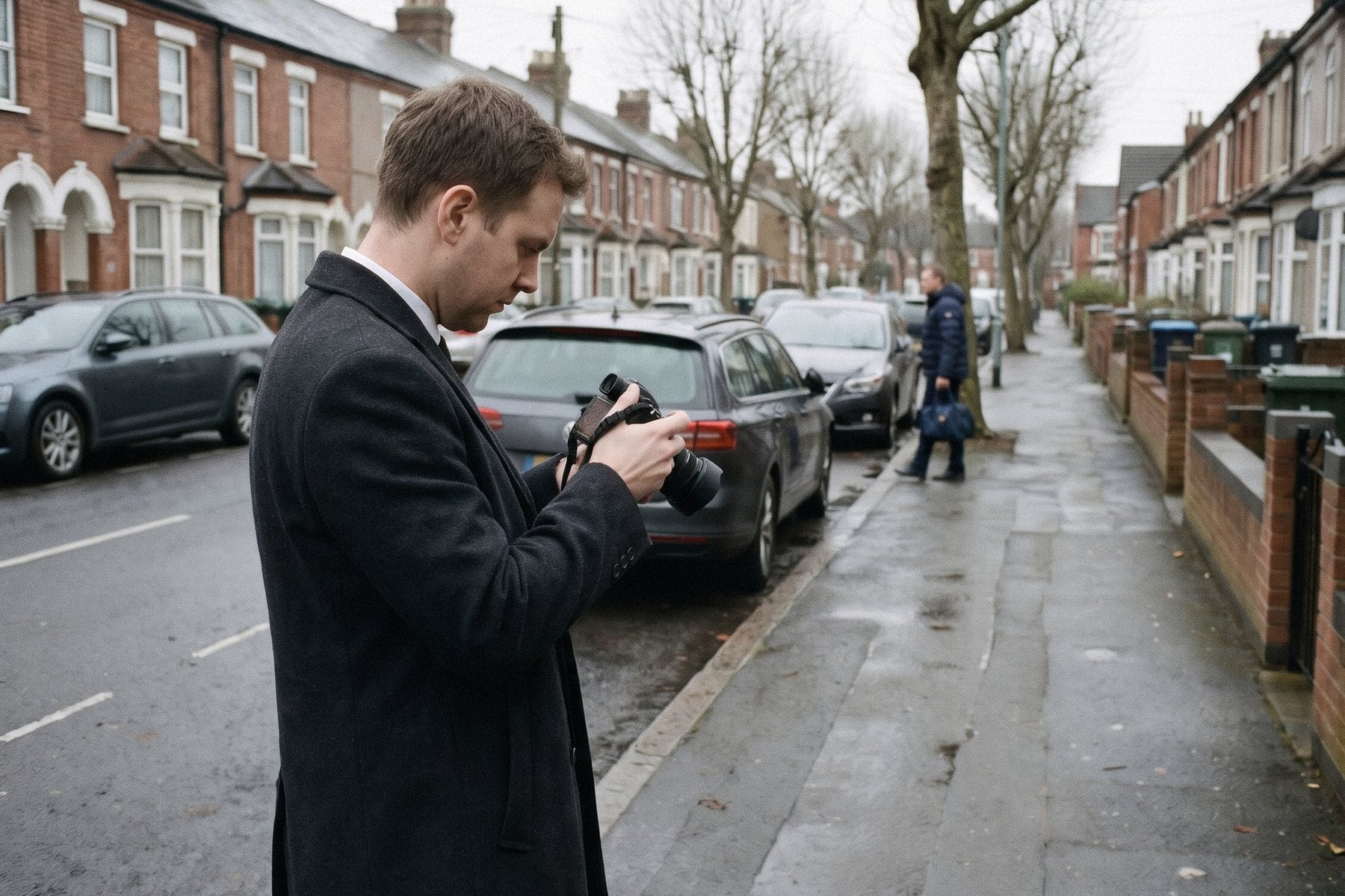
Vehicle surveillance can fail in two ways at a state line. The team loses the subject, or it carries on without the right to work there. Interstate private investigator laws make planning the only real defense against both.
At Low Cost Detectives, a Lead Investigator plans the route before the tail starts. Our two-person team continues across a state line where its license or a reciprocity agreement allows. Otherwise, a local team in the next state takes over.
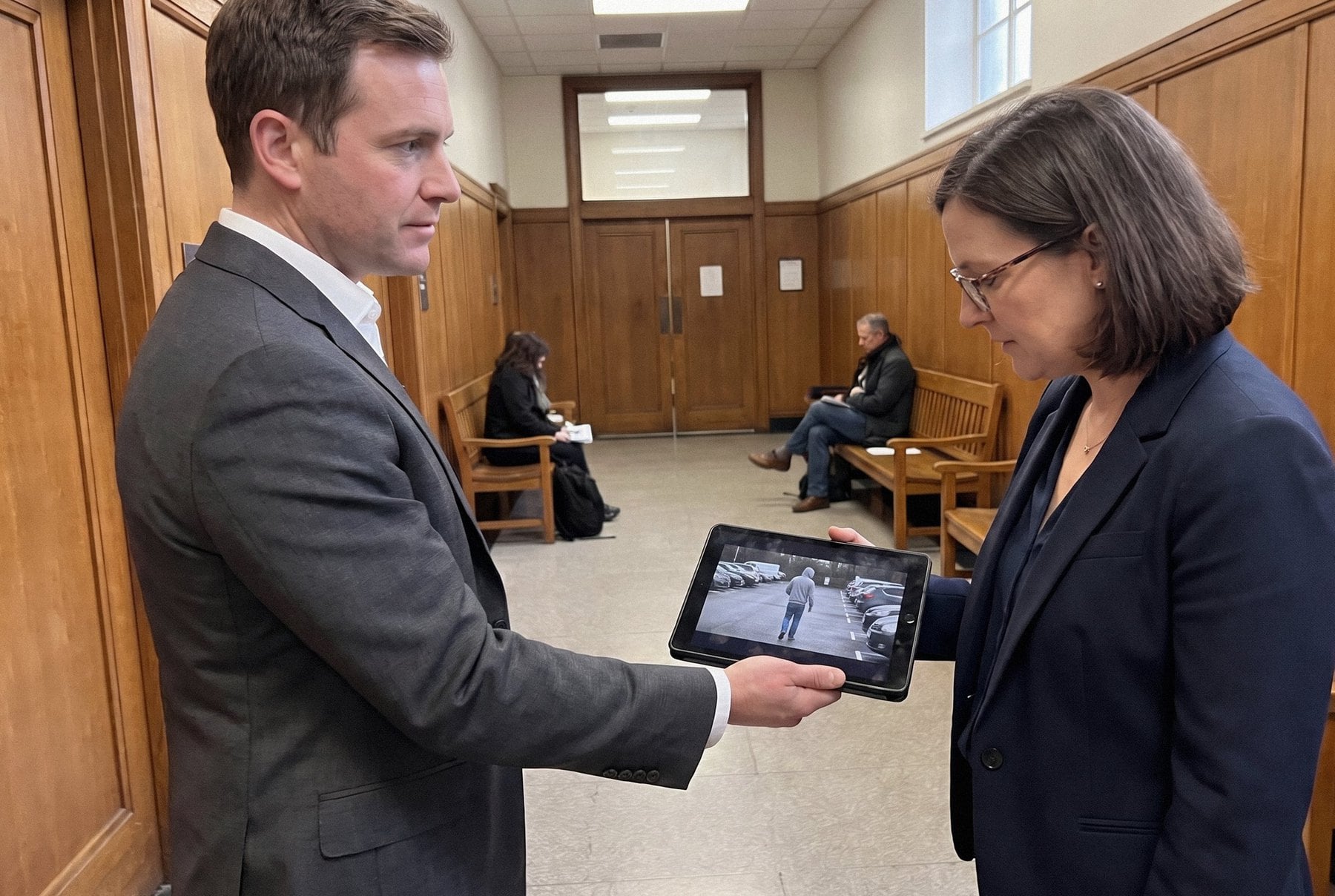
In practice, we plan the handover in advance. The next team gets the subject’s description, vehicle and direction before the tail reaches the line. Our investigators log every observation with the time, date and place. You receive one written evidence report for the whole journey.
What Helps a Multi-State Tail Succeed
The more we know at the start, the smoother the handovers. Useful details include a recent photo of the subject, the vehicle and its color, and any planned trip. Even a rough route helps, because it tells us which states may be involved. We then confirm which team can work in each jurisdiction.
Our surveillance across North America runs this way for infidelity, insurance and employee cases. If the subject has already moved states, our global tracing team can find the new address first. If you know your subject travels, speak to our investigators before the trip starts.
State Level Surveillance Compliance: Recording, Tracking and Stalking Laws
Under interstate private investigator laws, state level surveillance compliance means checking four things at every line. They are licensing, recording, trackers and stalking law. The section above covers licensing, and the other three change just as sharply.
Recording Conversations
Federal wiretap law lets a person record a conversation they join, or where one party consents. Some states’ privacy laws demand more. California requires “the consent of all parties” to record a confidential conversation. Florida’s statute makes it lawful “when all of the parties to the communication have given prior consent”. So a recording made lawfully in one state can be a crime in the next.
GPS Trackers
GPS tracking laws also differ. California bans using an electronic tracking device to locate a person without the vehicle owner’s consent. In Texas, fitting a tracker to “a motor vehicle owned or leased by another person” is a crime. It is a Class A misdemeanor. Licensed investigators have a defense with the owner’s written consent or a court order.
Stalking Law
Federal stalking law, which also targets harassment, reaches across state lines. It covers interstate travel “with the intent to kill, injure, harass, intimidate”, or surveillance with that intent. A lawful tail has a different purpose: gathering facts for a client or a court. It watches from public roads, never trespasses, avoids contact and stops when the job ends.
Beyond the Tail: Cross-Border Asset Tracing and International Fraud
Money, though, crosses borders even faster than people. The FBI’s Internet Crime Complaint Center logged 859,532 complaints in 2024, with reported losses of 16.6 billion dollars. Investment fraud alone accounted for more than 6.5 billion dollars.
US Asset Tracing Across Borders
Interstate private investigator laws matter here too, because assets often sit in other states. US asset tracing across borders follows the money from state to state, and sometimes offshore. At Low Cost Detectives, our asset tracing investigations combine open-source research, legal databases and forensic accounting. Locally employed investigators then verify what the records suggest. The findings come back in a report formatted for legal use.
Hiring a PI for International Fraud
Hiring a PI for international fraud starts with finding who ran the scheme. Our fraud investigations trace the financial and digital footprint, including blockchain analysis for crypto cases. You receive an evidence package for law enforcement, your bank’s fraud team or your lawyers. Where recovery looks possible, our funds recovery team can pursue it. Recovery is never guaranteed.
Plan the Route Before the Subject Moves
Interstate private investigator laws do not end a case at the state line. They decide who carries it on, and what that team may do. A tail that stays licensed, records lawfully and follows each state’s tracker rules keeps its evidence.
Low Cost Detectives works through 300+ branches in 170+ countries. Our surveillance private investigator service covers the US and beyond. For cases heading to court, our legal and litigation support team works with your attorney. Talk to our team in confidence about your case.
Frequently Asked Questions About Interstate Private Investigator Laws
Can a private investigator follow someone into another state?
Yes, if the work stays within each state’s rules. Most states license investigators, and a license rarely covers the next state. Some reciprocity agreements allow short visits, such as 30 days per case under North Carolina’s terms. Otherwise, a licensed private investigator in that state needs to take over the tail.
Do private investigators need a license in every state?
Most states require one, but the rules differ. A few states share limited reciprocity for cases that started in the investigator’s home state. California, for example, requires out-of-state investigators from its five reciprocity states to get Bureau approval first. Working with locally licensed investigators is the simplest way to stay within each state’s law.
Is it legal to put a GPS tracker on a car in another state?
It depends on the state and on whose car it is. California bans tracking a person without the vehicle owner’s consent. Texas makes fitting a tracker to someone else’s car a Class A misdemeanor. A tracker that is lawful where the trip starts can be a crime where it ends.
Can a private investigator record conversations across state lines?
Only within each state’s consent rules. Federal law uses one-party consent. California and Florida are all-party consent states. So a recording that is lawful in one state can be a crime in the next. Silent observation and written logs avoid that problem entirely.
What does hiring a PI for international fraud involve?
It starts with identifying who ran the scheme and tracing where the money went. For crypto cases, that includes blockchain analysis. You then receive an evidence package to support reports to law enforcement, your bank or your lawyers. Recovery may follow, but Low Cost Detectives never promises it.